
InterVac vs Dyson Stick Vacuums: Why Built-In Wins In An RV Or Boat
By The InterVac Design Team · Updated 2026
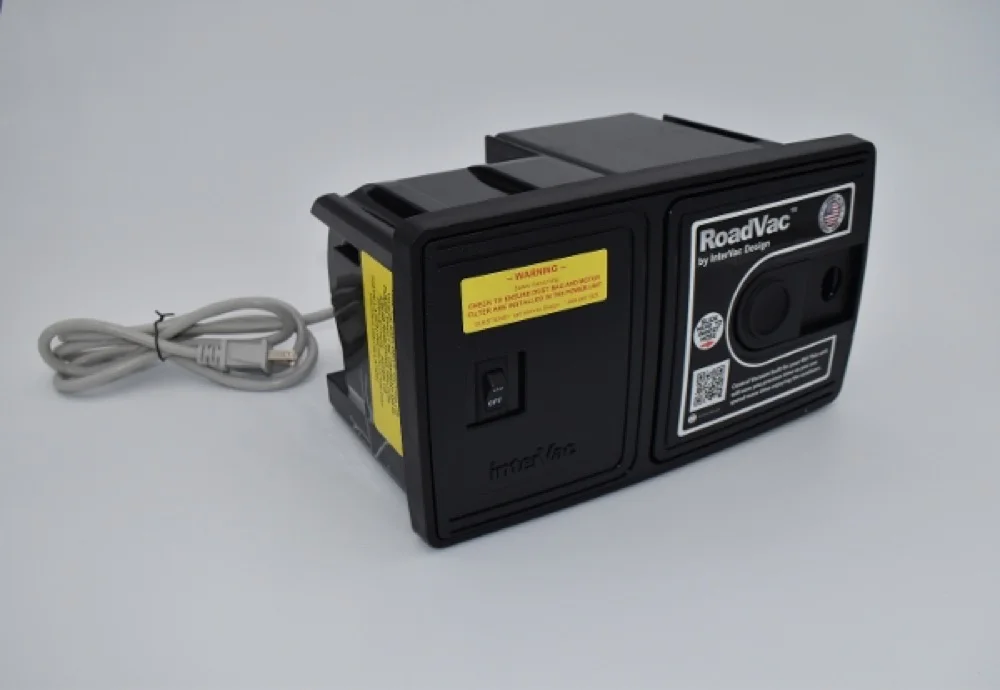
A cordless Dyson is a genuinely good vacuum. We are not going to pretend otherwise. But "good vacuum" and "right vacuum for an RV or boat" are two different questions. This is an honest look at where a stick vacuum shines, where it struggles in a coach or a cabin, and why so many owners end up switching to a built-in system.
The Three Things That Wear A Stick Vac Down
Stick vacuums are built around a battery, a small bin and a compact body. Those are strengths around the house. In a space you live in for days at a time, they turn into the three things owners complain about most.
- Suction Fades As The Battery Drains. You get strong power for the first stretch, then it tapers. On a longer cleanup, the back half of the job gets weaker right when you hit the dirtier corners.
- The Battery Itself Ages. Every rechargeable battery loses capacity over the years. The runtime you bought is not the runtime you will have in three or four seasons.
- It Takes Up Storage You Do Not Have. The wand, the dock and the charger all need a home. In an RV or boat, that home is a cabinet you would rather use for something else.
How A Built-In Solves Each One
A built-in central vacuum is wired into continuous power, so there is no battery to drain and no battery to age. It holds full suction from the first second to the last, every time, year after year. And because the motor unit tucks into a cabinet, bay or toe-kick, the only thing you store is a lightweight hose. You reach the whole space from a fixed inlet instead of carrying a machine around a narrow aisle.
A battery is a countdown. Continuous power is just power, here when you need it and the same every time.
Where A Stick Vacuum Is Actually Fine
We will be straight with you. If all you ever do is grab the vacuum for a 30-second spill in one small spot, a cordless stick is a great tool and you do not need to change anything. The setup is zero, the grab is instant, and for tiny jobs the battery never gets a chance to fade. A stick vac is a fine second tool to keep around even after you install a built-in.
The trouble starts when "quick grab" turns into "clean the whole coach after a sandy weekend." That is the job a built-in was made for: full reach, full suction, no recharge, no wrestling.
Where Built-In Clearly Wins
The bigger the space and the longer the session, the more the built-in pulls ahead. In an RV, that means sweeping the whole floor plan from one hose, with the toe-kick sweep option on a model like the CS8 for galley crumbs and entry-door grit. On a boat, it means handling sand and salt through a cabin without lugging a battery machine over the gunwale. And in both, it means never planning your cleaning around a charge level. If you want the full RV picture, our RV central vacuum buyer's guide walks through sizing and install.
A Quick Side-By-Side
| What Matters | InterVac Built-In | Cordless Stick |
|---|---|---|
| Suction Over A Full Cleanup | Stays Full | Fades |
| Power Over The Years | Unchanged | Battery Ages |
| Storage Footprint | Hose Only | Wand + Dock |
| Whole-Space Reach | Yes | Carry It Around |
| Instant Quick Grab | Pull The Hose | Yes |
For a head-to-head against another built-in brand, see our InterVac vs Dirt Devil comparison. Or browse the full lineup on the RV vacuums page.
Frequently Asked Questions
Is A Dyson Stick Vacuum Bad For An RV?
Does A Built-In Vacuum Lose Suction Like A Cordless Does?
Where Is A Stick Vacuum Actually The Better Choice?
Do I Have To Give Up Storage Space For A Built-In?
Related Reading
Ready To Stop Fighting A Battery?
Answer three quick questions and we'll point you to the right built-in system in under a minute.